For many veterans, the path back from the invisible wounds of service is not a straight line. Post-traumatic stress, depression, and substance use take time to resolve. Additionally, the loss of identity that can come with leaving military life does not happen on a fixed timeline. Traditional clinic-based care, while valuable, does not always reach those who need it most. Recovery coaching offers something different. It provides a sustained, strengths-based relationship. This relationship walks alongside veterans as they rebuild purposeful, healthy, and connected lives.
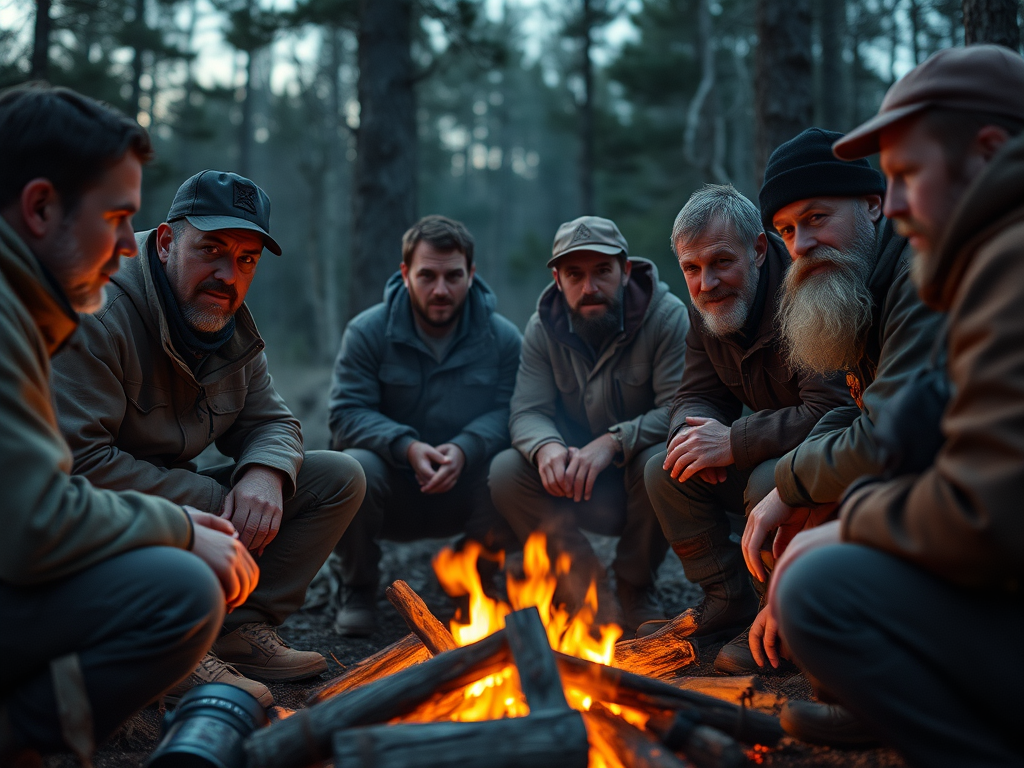
A growing body of research supports coaching and peer-based support as meaningful contributors to veteran recovery. Programs like Valor-Recovery’s, which weave recovery coaching into an outdoor, bushcraft-oriented model, show exactly what this evidence recommends.
What Recovery Coaching Is — and Isn’t
Recovery coaching is a non-clinical, person-centered service. A trained guide, often someone with lived experience of recovery, helps individuals clarify goals. They also navigate barriers and stay accountable to the daily practices that support lasting change (Better Life Partners, 2025). Coaches do not diagnose or treat mental illness. Instead, they focus on practical support, future-oriented planning, and connecting veterans with the community resources and clinical care they need.
This distinction matters. Many veterans hesitate to enter formal mental health systems. They may face issues of stigma, past negative experiences, or a culture that prizes self-reliance. A recovery coach speaks the language of mission, accountability, and earned trust. They meet veterans where they are, not where a system expects them to be (National Veterans’ Training Institute, 2025).
What the Research Shows
Coaching Builds Hope, Self-Management, and Resilience
A quality improvement project in a recovery-oriented mental health setting found that after completing coaching-style recovery education, 94 percent of participants reported feeling more hopeful, and 91 percent reported greater self-knowledge and self-awareness (Lomani et al., 2015). Participants also described meaningful gains in self-confidence. They noticed improvements in coping skills and daily structure. These outcomes matter deeply for veterans navigating civilian life.
Longitudinal research on professional one-on-one coaching found that participants experienced significant reductions in stress within the first three to four months, alongside steady growth in life satisfaction, resilience, and sense of purpose over six months or more (Theeboom et al., 2021). The research also showed gains in emotional regulation. It also showed improvements in social connection. Veterans with PTSD or substance use histories often struggle most in these two areas.
Peer Support Reduces Isolation and Improves Outcomes
Coaching for veterans often overlaps with peer support. In this setting, the coach or mentor shares the lived experience of military service and recovery. A scoping review of peer support activities for veterans and serving members found positive effects on mental health. These activities also improved social connection, identity, and sense of purpose across multiple studies (Henderson & Batterham, 2023).
Peer support services help reduce inpatient use. They lead to greater life satisfaction and higher levels of hope. There is better engagement in treatment and improvements in mental health symptoms. These outcomes are often achieved at a lower overall cost of care (NAMI, 2023; VA HSRD, 2018). Veterans view peer coaches as unique allies. They find them credible because they have “been there”. Peer coaches offer guidance that feels honest and attainable.
Recovery Coaching in Substance Use: Closing the Gap
The post-treatment period is among the most vulnerable phases in addiction recovery. Research shows that recovery coaching during this window helps individuals stick to treatment commitments. It helps reduce substance use and improve self-efficacy. Coaching also builds stress-management skills that protect against relapse (Better Life Partners, 2025; Recovery Research Institute, 2023).
Peer recovery coaching has been linked to reduced reliance on acute healthcare services. These include emergency department visits and inpatient admissions. This suggests that consistent coaching support helps people stabilize more quickly. It also helps them stay stabilized (Recovery Research Institute, 2023). Economic analyses show that integrating recovery coaching into continuing care is likely to be cost-effective over time. This approach reduces downstream healthcare utilization for individuals. It also reduces utilization for systems alike (Recovery Research Institute, 2026).
Why Coaching and the Outdoors Work Together
A bushcraft-oriented recovery experience like Valor-Recovery’s offers veterans powerful, immediate experiences. These include the satisfaction of building a fire, navigating terrain, or solving a problem with a small team. These moments generate real shifts in confidence and perspective. But without a coaching relationship to help veterans name, integrate, and apply what they’ve experienced, those gains can fade.
Recovery coaching provides the “translation layer.” It helps veterans carry lessons from the field into daily life. It connects the focus required to build a shelter with the focus needed to manage a stressful conversation at home. It links the trust built around a campfire with the trust needed to ask for help in a doctor’s office.
Specifically, coaching in a bushcraft recovery model can:
- Set personally meaningful goals. Connect these goals to sobriety, mental health, relationships, and employment. Use the outdoor context as both a metaphor and a practice ground.
- Build self-efficacy. This is the belief that “I can do this.” Pair concrete skill successes with reflection on internal growth to build it.
- Strengthen emotional regulation, helping veterans recognize how they respond to challenge and develop new strategies for real-world situations.
- Reinforce accountability and connection through ongoing coaching relationships that extend well beyond the event itself.
A Recovery Model Built for Veterans
Veterans do not leave their character, discipline, or capacity for growth behind when they take off the uniform. What they often lose — temporarily — is a sense of mission, community, and purpose that military life once provided. Recovery coaching, especially when embedded in experiential, peer-centered outdoor programs, offers a pathway back.
The evidence is clear: coaching and peer support improve hope, self-management, resilience, and quality of life. They reduce crises, cut healthcare costs, and — most importantly — help veterans rebuild lives that feel worth living.
At Valor-Recovery, coaching is not an add-on. It is the thread that holds the entire recovery journey together.
References
Lomani, J., et al. (2015). Coaching for recovery: A quality improvement project in mental health services. International Journal of Mental Health Systems, 9. https://pmc.ncbi.nlm.nih.gov/articles/PMC4693036/
Theeboom, T., et al. (2021). Time to Change for Mental Health and Well-being via Virtual One-on-One Coaching. Journal of Occupational and Environmental Medicine. https://pmc.ncbi.nlm.nih.gov/articles/PMC8406100/
Henderson, C., & Batterham, P. (2023). Peer Support Activities for Veterans, Serving Members, and Their Families: A Scoping Review. Journal of Military, Veteran and Family Health. https://pmc.ncbi.nlm.nih.gov/articles/PMC9964749/
National Alliance on Mental Illness (NAMI). (2023). Battle Buddies After Service: The Significance of Peer Support. NAMI Issue Brief.
U.S. Department of Veterans Affairs, Health Services Research & Development. (2018). Peer Support Specialists’ Unique Contribution to Veterans’ Health. https://www.hsrd.research.va.gov/publications/vets_perspectives/1803_peer_support_specialists_contribution_to_veterans_health.cfm
Recovery Research Institute. (2023). Peer recovery coaching reduces reliance on acute healthcare. https://www.recoveryanswers.org/research-post/peer-recovery-coaching-reduces-reliance-acute-healthcare/
Recovery Research Institute. (2026). The potential economic benefits of recovery coaching. https://www.recoveryanswers.org/research-post/potential-economic-benefits-recovery-coaching/
Better Life Partners. (2025). What is Recovery Coaching for Substance Addiction? https://betterlifepartners.com/blog/what-is-recovery-coaching-for-substance-addiction/
National Veterans’ Training Institute. (2025). The Role of Peer Support in Veteran Reintegration. https://www.nvti.org/2025/07/02/the-role-of-peer-support-in-veteran-reintegration/
 Valor Recovery
Leave a comment