• For many veterans, the path back from the invisible wounds of service is not a straight line. Post-traumatic stress, depression, and substance use take time to resolve. Additionally, the loss of identity that can come with leaving military life does not happen on a fixed timeline. Traditional clinic-based care, while valuable, does not always reach those who need it most. Recovery coaching offers something different. It provides a sustained, strengths-based relationship. This relationship walks alongside veterans as they rebuild purposeful, healthy, and connected lives.
    A growing body of research supports coaching and peer-based support as meaningful contributors to veteran recovery. Programs like Valor-Recovery’s, which weave recovery coaching into an outdoor, bushcraft-oriented model, show exactly what this evidence recommends.

    What Recovery Coaching Is — and Isn’t

    Recovery coaching is a non-clinical, person-centered service. A trained guide, often someone with lived experience of recovery, helps individuals clarify goals. They also navigate barriers and stay accountable to the daily practices that support lasting change (Better Life Partners, 2025). Coaches do not diagnose or treat mental illness. Instead, they focus on practical support, future-oriented planning, and connecting veterans with the community resources and clinical care they need.

    This distinction matters. Many veterans hesitate to enter formal mental health systems. They may face issues of stigma, past negative experiences, or a culture that prizes self-reliance. A recovery coach speaks the language of mission, accountability, and earned trust. They meet veterans where they are, not where a system expects them to be (National Veterans’ Training Institute, 2025).

    What the Research Shows

    Coaching Builds Hope, Self-Management, and Resilience

    A quality improvement project in a recovery-oriented mental health setting found that after completing coaching-style recovery education, 94 percent of participants reported feeling more hopeful, and 91 percent reported greater self-knowledge and self-awareness (Lomani et al., 2015). Participants also described meaningful gains in self-confidence. They noticed improvements in coping skills and daily structure. These outcomes matter deeply for veterans navigating civilian life.

    Longitudinal research on professional one-on-one coaching found that participants experienced significant reductions in stress within the first three to four months, alongside steady growth in life satisfaction, resilience, and sense of purpose over six months or more (Theeboom et al., 2021). The research also showed gains in emotional regulation. It also showed improvements in social connection. Veterans with PTSD or substance use histories often struggle most in these two areas.

    Peer Support Reduces Isolation and Improves Outcomes

    Coaching for veterans often overlaps with peer support. In this setting, the coach or mentor shares the lived experience of military service and recovery. A scoping review of peer support activities for veterans and serving members found positive effects on mental health. These activities also improved social connection, identity, and sense of purpose across multiple studies (Henderson & Batterham, 2023).

    Peer support services help reduce inpatient use. They lead to greater life satisfaction and higher levels of hope. There is better engagement in treatment and improvements in mental health symptoms. These outcomes are often achieved at a lower overall cost of care (NAMI, 2023; VA HSRD, 2018). Veterans view peer coaches as unique allies. They find them credible because they have “been there”. Peer coaches offer guidance that feels honest and attainable.
    Recovery Coaching in Substance Use: Closing the Gap

    The post-treatment period is among the most vulnerable phases in addiction recovery. Research shows that recovery coaching during this window helps individuals stick to treatment commitments. It helps reduce substance use and improve self-efficacy. Coaching also builds stress-management skills that protect against relapse (Better Life Partners, 2025; Recovery Research Institute, 2023).

    Peer recovery coaching has been linked to reduced reliance on acute healthcare services. These include emergency department visits and inpatient admissions. This suggests that consistent coaching support helps people stabilize more quickly. It also helps them stay stabilized (Recovery Research Institute, 2023). Economic analyses show that integrating recovery coaching into continuing care is likely to be cost-effective over time. This approach reduces downstream healthcare utilization for individuals. It also reduces utilization for systems alike (Recovery Research Institute, 2026).

    Why Coaching and the Outdoors Work Together

    A bushcraft-oriented recovery experience like Valor-Recovery’s offers veterans powerful, immediate experiences. These include the satisfaction of building a fire, navigating terrain, or solving a problem with a small team. These moments generate real shifts in confidence and perspective. But without a coaching relationship to help veterans name, integrate, and apply what they’ve experienced, those gains can fade.

    Recovery coaching provides the “translation layer.” It helps veterans carry lessons from the field into daily life. It connects the focus required to build a shelter with the focus needed to manage a stressful conversation at home. It links the trust built around a campfire with the trust needed to ask for help in a doctor’s office.

    Specifically, coaching in a bushcraft recovery model can:

    • Set personally meaningful goals. Connect these goals to sobriety, mental health, relationships, and employment. Use the outdoor context as both a metaphor and a practice ground.
    • Build self-efficacy. This is the belief that “I can do this.” Pair concrete skill successes with reflection on internal growth to build it.
    • Strengthen emotional regulation, helping veterans recognize how they respond to challenge and develop new strategies for real-world situations.
    • Reinforce accountability and connection through ongoing coaching relationships that extend well beyond the event itself.
    A Recovery Model Built for Veterans

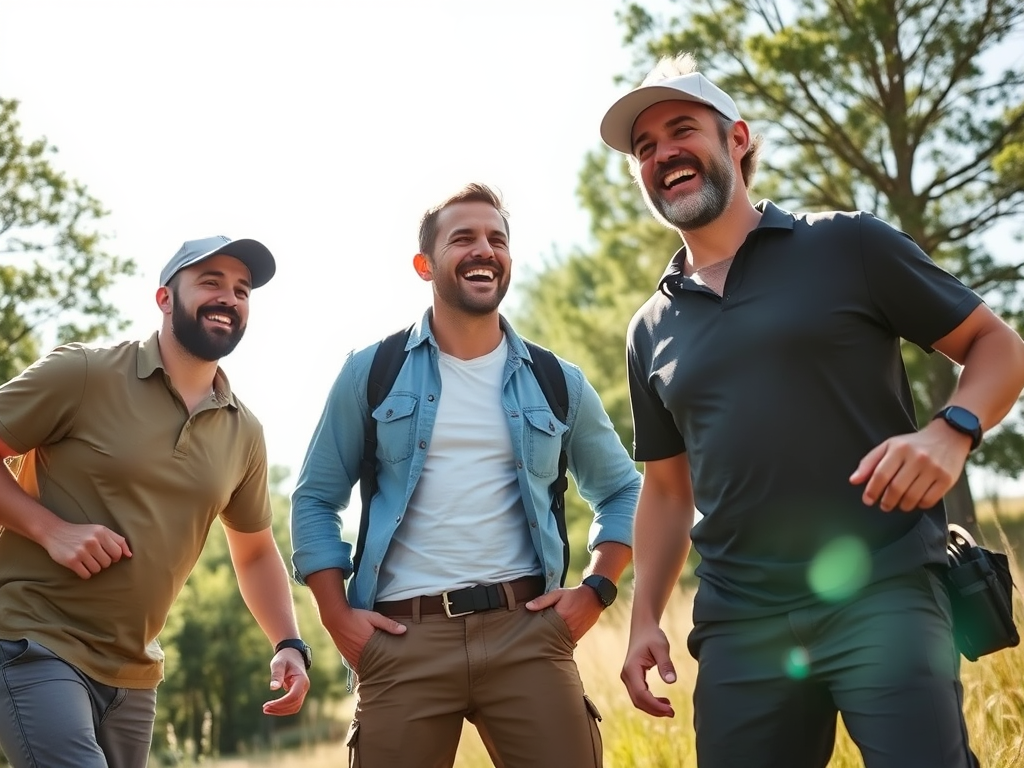
    Veterans do not leave their character, discipline, or capacity for growth behind when they take off the uniform. What they often lose — temporarily — is a sense of mission, community, and purpose that military life once provided. Recovery coaching, especially when embedded in experiential, peer-centered outdoor programs, offers a pathway back.

    The evidence is clear: coaching and peer support improve hope, self-management, resilience, and quality of life. They reduce crises, cut healthcare costs, and — most importantly — help veterans rebuild lives that feel worth living.

    At Valor-Recovery, coaching is not an add-on. It is the thread that holds the entire recovery journey together.


    References

    Lomani, J., et al. (2015). Coaching for recovery: A quality improvement project in mental health services. International Journal of Mental Health Systems, 9. https://pmc.ncbi.nlm.nih.gov/articles/PMC4693036/

    Theeboom, T., et al. (2021). Time to Change for Mental Health and Well-being via Virtual One-on-One Coaching. Journal of Occupational and Environmental Medicine. https://pmc.ncbi.nlm.nih.gov/articles/PMC8406100/

    Henderson, C., & Batterham, P. (2023). Peer Support Activities for Veterans, Serving Members, and Their Families: A Scoping Review. Journal of Military, Veteran and Family Health. https://pmc.ncbi.nlm.nih.gov/articles/PMC9964749/

    National Alliance on Mental Illness (NAMI). (2023). Battle Buddies After Service: The Significance of Peer Support. NAMI Issue Brief.

    U.S. Department of Veterans Affairs, Health Services Research & Development. (2018). Peer Support Specialists’ Unique Contribution to Veterans’ Health. https://www.hsrd.research.va.gov/publications/vets_perspectives/1803_peer_support_specialists_contribution_to_veterans_health.cfm

    Recovery Research Institute. (2023). Peer recovery coaching reduces reliance on acute healthcare. https://www.recoveryanswers.org/research-post/peer-recovery-coaching-reduces-reliance-acute-healthcare/

    Recovery Research Institute. (2026). The potential economic benefits of recovery coaching. https://www.recoveryanswers.org/research-post/potential-economic-benefits-recovery-coaching/

    Better Life Partners. (2025). What is Recovery Coaching for Substance Addiction? https://betterlifepartners.com/blog/what-is-recovery-coaching-for-substance-addiction/

    National Veterans’ Training Institute. (2025). The Role of Peer Support in Veteran Reintegration. https://www.nvti.org/2025/07/02/the-role-of-peer-support-in-veteran-reintegration/

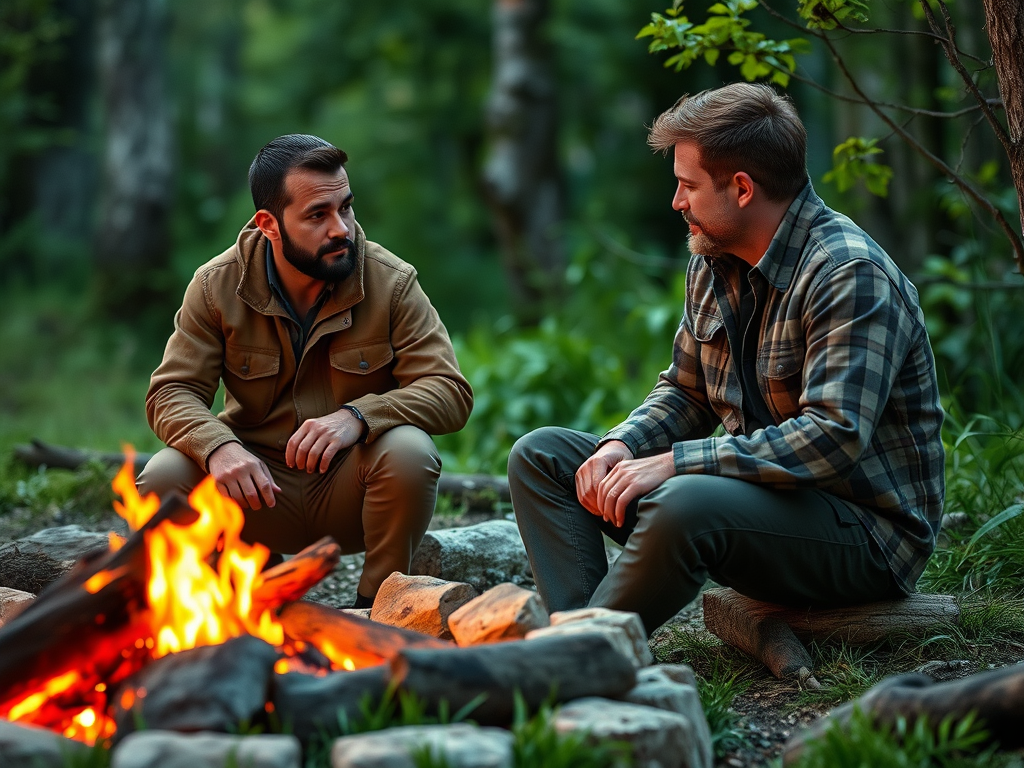
  • At Valor-Recovery, we weave together recovery coaching, Stoicism, bushcraft, and a person‑centered approach. It can give people a powerful, hands‑on way to define recovery on their own terms. This method helps them walk a pathway that actually fits their life.


    Developing your Path to Recovery

    Recovery isn’t just about putting something down; it’s about building someone new.

    One helpful philosophy on this path is Stoicism. It is an ancient approach to living that feels surprisingly modern for recovery. Stoicism teaches us to focus on what we can control, like our choices, effort, and attitudes. It also teaches us to let go of what we can’t control. This includes other people’s opinions. We must also release the past and deal with cravings as they arise. In recovery, this sounds like: “I can’t control if a craving shows up today. But I can control what I do about it.

    Now, imagine pairing that mindset with bushcraft. Learn to build a fire and set up shelter. Move safely through the woods. Work with the land, not against it. Bushcraft‑style, nature‑based work has been shown to reduce stress and build resilience. It encourages mindfulness and reconnects people with a sense of purpose. This is especially true in recovery and wilderness coaching settings. Each skill becomes a living metaphor. Tending a fire is like tending your recovery. Preparing for the weather is like preparing for triggers. Reading the landscape is like reading your internal state.

    This is where recovery coaching comes in. A recovery coach’s role is to walk beside you. Together, you define what recovery means for you and clarify your goals. You map out the steps that match your values, strengths, culture, and season of life. When coaching integrates Stoic principles and bushcraft practice, sessions aren’t just conversations. Instead, they become experiences where you practice self‑awareness, courage, patience, and accountability. This happens in real time, outdoors. You get immediate feedback from both nature and your own nervous system.

    Stoicism offers the inner framework. It includes acceptance, rational thinking, virtue, and resilience. Bushcraft offers a grounded, physical dojo. This is where you can embody those principles and experiment with new ways of responding to stress, discomfort, and uncertainty. Recovery coaching then ties it back to your daily life. It helps you translate what you learn at the fire ring or on the trail into concrete habits. These become boundaries and choices at home, work, and in your relationships. The result is a deeply individualized recovery pathway. You’re not just tracking someone else’s program. You are actively shaping your own story of healing, strength, and meaning.

    For more information on Valor-Recovery.org’s Recovery Bushcraft and Stoicism program, or to schedule a free consultation, click the button below.

  • At Valor Recovery, we believe that true healing happens when mind, body, and spirit come together in harmony. Connecting with nature is one of the most powerful ways to support emotional wellness. Bushcraft offers a unique path to achieve this connection.

    The Power of Nature for Emotional Wellness

    Spending time in natural settings has been shown to reduce stress, calm anxiety, and elevate mood. Research indicates that individuals with a stronger connection to nature experience lower levels of stress and anxiety. This is particularly true when they visit natural spaces regularly. A 2010 study found that individuals who walked in forested areas showed significantly lower cortisol levels. Cortisol is the body’s primary stress hormone. These levels were lower compared to those who walked in urban settings. The sights, sounds, and smells of the wilderness help ground us in the current moment. They also foster a sense of peace and renewal. For veterans, first responders, and anyone on a recovery journey, this immersive experience can be deeply restorative.

    Bushcraft: More Than Just Outdoor Skills

    Bushcraft involves learning practical wilderness skills like building shelters, starting fires, and tracking wildlife. Yet, beyond these skills lies a profound therapeutic value. Research shows that nature-based interventions are highly effective at improving mental health outcomes in adults. This is particularly true for those with pre-existing mental health challenges. Wilderness therapy programs are a key part of these interventions. Studies of veterans participating in wilderness therapy have shown significant and sustained reductions in depression, anxiety, and PTSD symptoms. As you engage in these hands-on activities, your mind shifts away from daily worries and intrusive thoughts. It moves toward mindful focus and a sense of accomplishment.

    How Bushcraft Supports Emotional Healing

    • Mindfulness and Presence: Bushcraft encourages slow, deliberate actions, drawing your awareness to each step like gathering wood or crafting tools. Research shows that mindfulness joined with nature exposure enhances stress reduction and emotional regulation. This mindful engagement can interrupt negative thought cycles and reduce symptoms of PTSD, anxiety, and depression.
    • Confidence and Empowerment: Mastering new skills in nature builds self-reliance and confidence. Studies show that hands-on learning in outdoor environments increases self-efficacy—the belief in one’s ability to succeed. This sense of accomplishment empowers you to face challenges both outdoors and in life. It is particularly valuable for those recovering from trauma.
    • Social Connection: Many bushcraft activities are shared experiences. They create safe spaces for camaraderie and mutual support. These activities foster healing within the Valor Recovery community. Research confirms that outdoor recreation with social support significantly reduces isolation. It also enhances emotional wellbeing. This is particularly true for veterans and first responders.
    • Connection to the Natural World: Feeling a sense of belonging to the environment expands your perspective beyond yourself. Studies show that a strong connection to nature lowers stress, anxiety, and depression. It also fosters hope, meaning, and emotional resilience over time.

    Join Us at Valor Recovery

    Our bushcraft-based recovery programs integrate these emotional wellness benefits with the Eight Dimensions of Wellness framework. They are tailored especially for military veterans, first responders, and law enforcement officers. Whether in our retreats, workshops, or personal coaching, bushcraft is a gateway to reclaiming your emotional strength and wellbeing.

    Discover the healing power of nature and bushcraft with Valor Recovery. Your journey to emotional wellness starts here.

    References

    • Nature.com (2024). “A lower connection to nature is related to lower mental health benefits from greenspace visits.”
    • Park et al. (2010). “Physiological effects of forest recreation in a young conifer forest in Hinokage Town, Japan.” Silva Fennica.
    • Vella, E. J., et al. (2023). “Pilot Study: The Effects of a Mountain Wilderness Experience on Combat Veteran Psychosocial Wellness.” Military Behavioral Health, University of Southern Maine.
    • NIH/PubMed Central (2021). “Nature-based outdoor activities for mental and physical health: Systematic review and meta-analysis.”
  • Bushcraft offers a powerful pathway to addiction recovery. It connects individuals to nature and builds resilience. It also supports growth across the eight dimensions of wellness. ValorRecovery stands out as a trusted provider offering personalized, wellness-driven support for those seeking meaningful change in their lives.

    Bushcraft and Addiction Recovery

    Bushcraft is more than survival skills; it encourages engagement with the outdoors, hands-on learning, and self-discovery. Practicing bushcraft in a recovery context can break negative patterns, foster resilience, and promote mindfulness. Nature immersion has proven benefits. It reduces stress, elevates mood, and lowers anxiety. These are all critical for managing cravings and strengthening coping mechanisms.

    Three individuals participating in a bushcraft session in a forest, engaged in outdoor activities around a campfire with a shelter made of branches.

    The Eight Dimensions of Wellness

    Holistic recovery means restoring wellness in all aspects of life, not just maintaining sobriety. The eight dimensions include:

    • Physical: Exercise, nutrition, and sleep are improved through outdoor activity.
    • Emotional: Mindfulness and skill mastery reduce anxiety and build healthy coping.
    • Spiritual: Nature facilitates connection to self, purpose, and meaning.
    • Social: Teamwork and shared learning combat isolation and build relationships.
    • Environmental: Immersion in nature heals and grounds the senses.
    • Intellectual: Learning new skills stimulates curiosity and growth.
    • Occupational: Bushcraft can restore satisfaction and engagement with one’s vocation.
    • Financial: Skills learned can be transferred to meaningful work and budgeting.

    Why Consider ValorRecovery

    ValorRecovery provides a structured, community-focused environment where wellness and bushcraft principles are woven into individualized care. Their approach features:

    • Compassionate, professionally trained staff, often with lived experience.
    • Personalized coaching rooted in the Eight Dimensions of Wellness.
    • A safe, supportive setting fostering connection and accountability.
    • Activities like mindfulness, meditation, and community service that build resilience and life skills.
    • Dedicated focus on helping military veterans, first-responders, and law enforcement officers, but open to all who seek recovery.

    ValorRecovery embraces a holistic model that acknowledges trauma, builds personal strengths, and promotes continuous sobriety within a nurturing community.

    A person meditating with a calm expression, seated on a log in a forest, near a campfire, surrounded by trees and foliage, emphasizing the connection to nature.

    Start Your Journey

    If you’re seeking recovery beyond sobriety—one that rebuilds your entire self and supports lasting wellness—consider ValorRecovery. Their integrated programs focusing on bushcraft, provides you the opportunity to reclaim health, purpose, and connection. Experience this in a natural, empowering setting.

    Bushcraft and holistic wellness can transform lives. With ValorRecovery, each step of your journey becomes a stride toward lasting freedom and fulfillment.

  • Welcome to ValorRecovery.org!

    Welcome to ValorRecovery.org! It is a unique space dedicated to holistic healing. It focuses on personal growth through the power of bushcraft and outdoor adventure. Our mission is to help you rediscover wellness by connecting with nature. You will learn practical skills that support recovery and resilience.

    What Is ValorRecovery.org?

    ValorRecovery.org integrates the Eight Dimensions of Wellness. These include emotional, environmental, financial, intellectual, occupational, physical, social, and spiritual aspects. They are merged with hands-on bushcraft and outdoor activities. Our program is designed to guide you through these wellness dimensions, offering tools, knowledge, and experiences to support your journey.

    Who We Serve

    We specialize in supporting Military Veterans, First Responders, and Law Enforcement Officers. We offer resources and community tailored to your unique experiences and needs. Nevertheless, ValorRecovery.org welcomes anyone who is seeking personal growth, recovery, and wellness—our doors are open to all.

    What We Offer:

    • Single-day bushcraft-recovery sessions incorporating the eight-dimensions of wellness with bushcraft skills.
    • Personal recovery coaching for those seeking to live a substance-free life, grounded in the Eight Dimensions of Wellness.
    • In the future:
      • An eight-day bushcraft-recovery immersion program.
      • Multi-day bushcraft-recovery retreats.

    At ValorRecovery.org, we believe that healing happens when you combine self-discovery with meaningful activities in nature. Whether you’re seeking recovery or stress relief, our community is here to support you. We offer personal coaching. We help you find a deeper sense of purpose. We are here to support you every step of the way.

    Join Us

    Explore our site to learn more about our programs, read inspiring stories, or get involved in upcoming retreats. Your path to recovery and wellness starts here—let’s walk it together. You can contact us at veteducation7@gmail.com, or text/call @860-348-5799.